Saturday night. Paris. Plenitude Arena. 30,000 people.
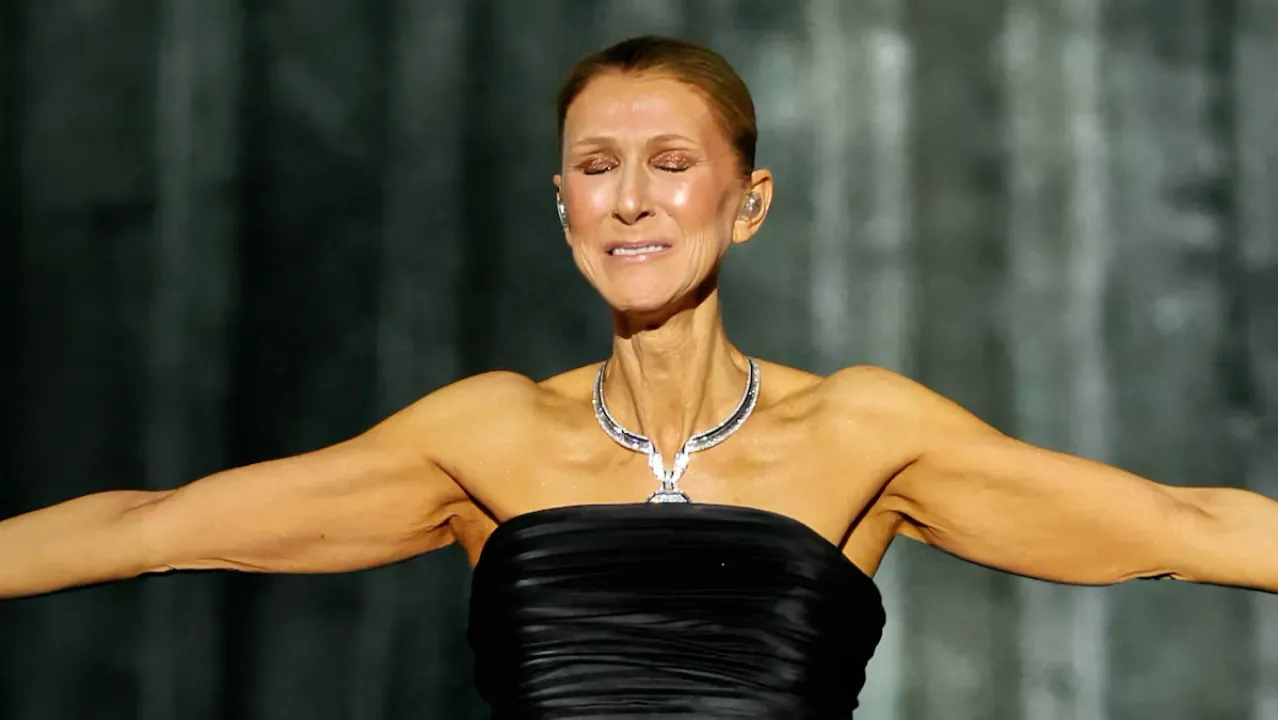
Céline Dion walked on stage in a Dior gown and a Boucheron necklace. She pressed her hands together in prayer. She opened her mouth to sing the first note of "On ne change pas" a song about the skinny little girl from Charlemagne, Quebec and before she could finish the first verse, she was crying.
"I promised myself I wouldn't cry," she said.
The crowd responded by chanting the riff from "Seven Nation Army." 30,000 people, telling her without words: we're here, take your time, we're not going anywhere.
She sang for two more hours. And at the very end, saved for the encore like a dare she was making with herself, she sang "All By Myself."
She hit the high F.
She held it.
Then she blew out a breath and turned to look back at her band a quick, disbelieving glance toward her musical director. As if to say: did that just happen?
It happened. And 30,000 people lost their minds.
Six years. That's how long it's been.
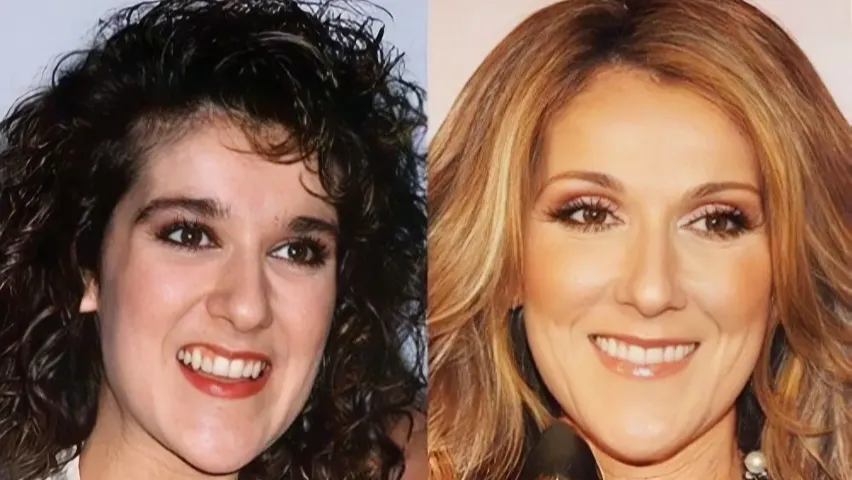
Céline Dion's last full concert was in 2020. Since then, she has been fighting stiff person syndrome a rare neurological disease that affects one or two people in a million. It stiffens muscles. It triggers spasms violent enough to break bones. It is set off by loud noise, by touch, by emotional stress.
An arena holding 30,000 screaming people is all three at once.
Singing with stiff person syndrome, Dion told NBC in 2024, felt like being strangled. In 2023, she canceled the remaining 42 dates of her Courage World Tour. In the documentary "I Am: Celine Dion," she was filmed having a seizure so violent that medical staff had to intervene. She said she almost died.
Almost died. And on Saturday, she stood in front of 30,000 people in Paris and sang for two hours.
Let that sit with you.
The voice is different. And that's the point.
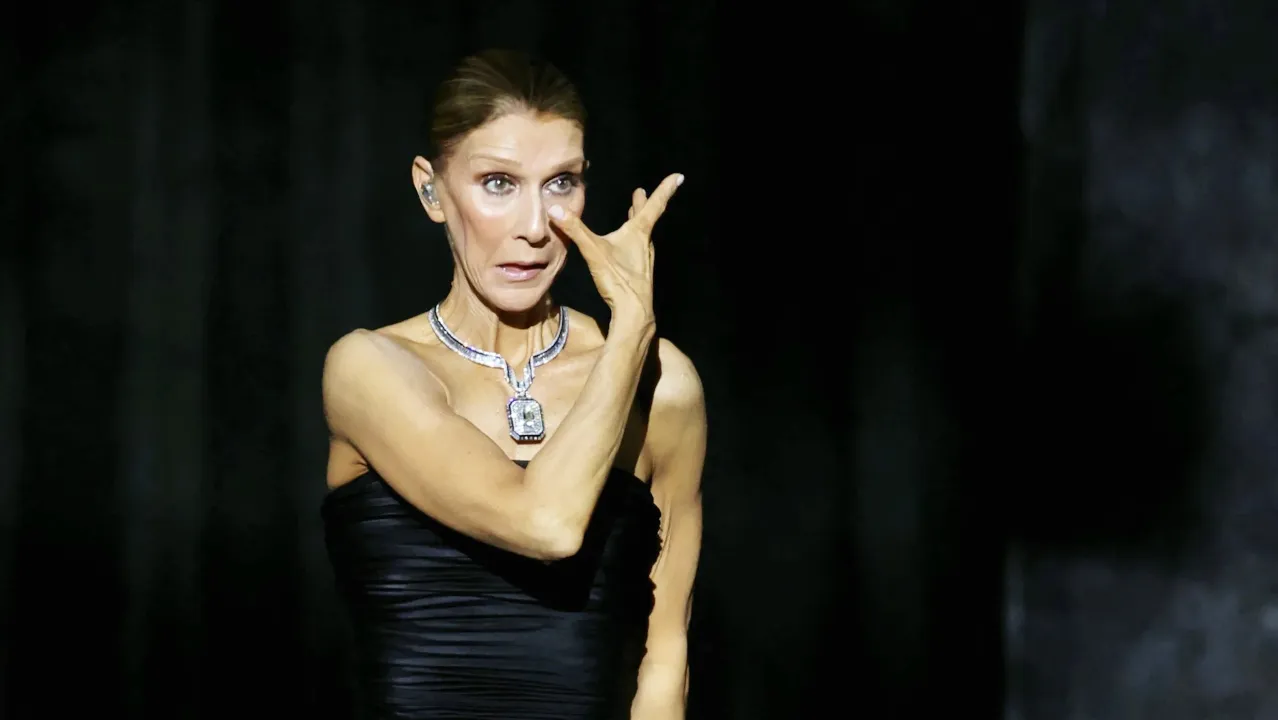
I want to be honest about something because I think Céline would want me to be.
Her voice has changed. Journalists who were there said it directly it is not the instrument that sold 250 million albums. The top end has lost some of its effortless power. Every big note is now a decision she makes in front of 30,000 witnesses, knowing that the disease that attacks her larynx could betray her at any moment.
She took most of them anyway.
And here's what I think people are missing when they talk about whether the voice is "still there." The voice was never the point. The voice was always the vehicle. What made Céline Dion Céline Dion wasn't the high F. It was the fact that when she sang, you believed every single word. The emotion was never manufactured. It was never a performance in the way pop music is usually a performance. When Céline Dion cried on stage, it was because she was actually crying.
Saturday night, when she missed her cue on the line about the little girl from Charlemagne, when she pressed her hands together in prayer, when she looked at her band after hitting that note none of that was choreographed. That was a 58-year-old woman who wasn't sure she'd ever stand on a stage again, standing on one, and realizing in real time that she was doing it.
That's more powerful than any high F she's ever hit.
The conspiracy people need to stop.
I need to address this because I've seen it everywhere online and it makes me genuinely angry.
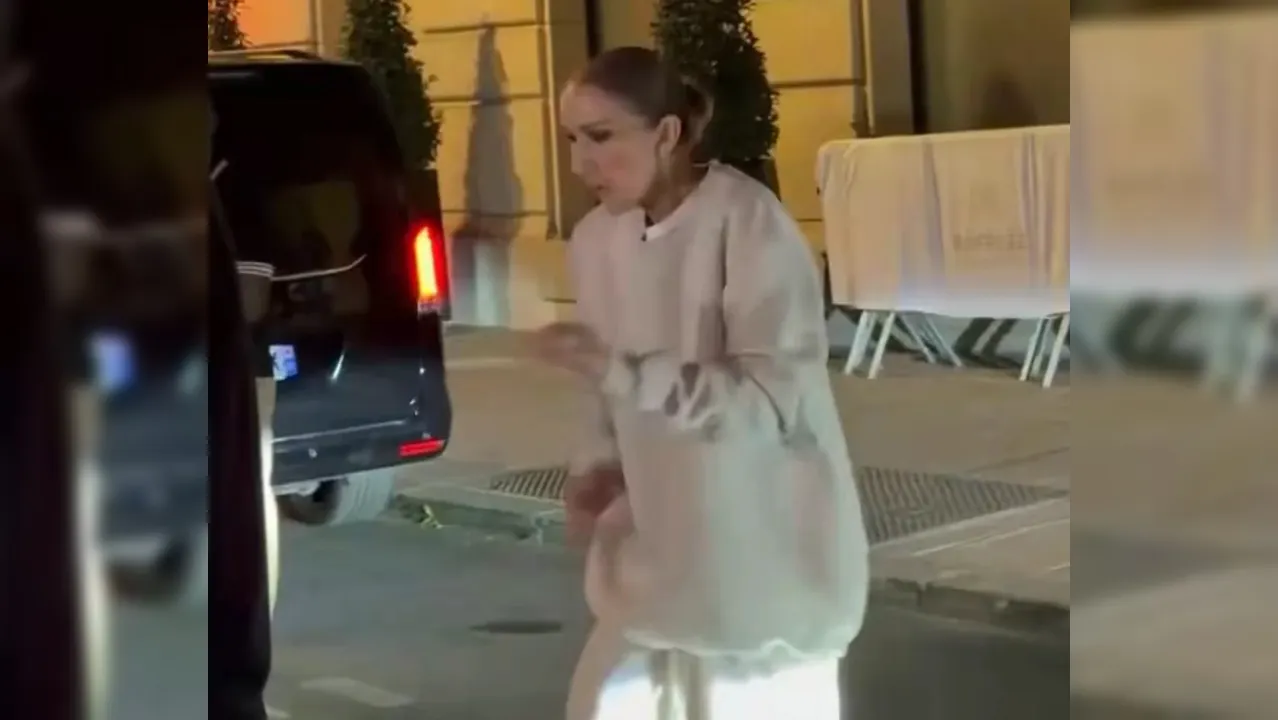
There is a subset of the internet that has decided Céline Dion is a "clone." A "robot." That her movements are "too stiff" or "too robotic" to be natural. That the real Céline died years ago and this is a replacement.
The woman has a disease called STIFF PERSON SYNDROME. The disease literally stiffens your body. It makes your movements rigid and unnatural. It causes spasms that can freeze you mid-gesture. The "robotic" appearance that conspiracy theorists point to as evidence of a clone is, in fact, evidence of a woman fighting through a neurological disorder in real time in front of millions of people.
She's not a robot. She's not a clone. She's a human being whose body is attacking itself, and she showed up anyway. She sang anyway. She hit the high F anyway.
The people calling her a clone from behind their keyboards have never done anything one-tenth as brave as what Céline Dion did on Saturday night. And they should be ashamed.
What her comeback actually means.
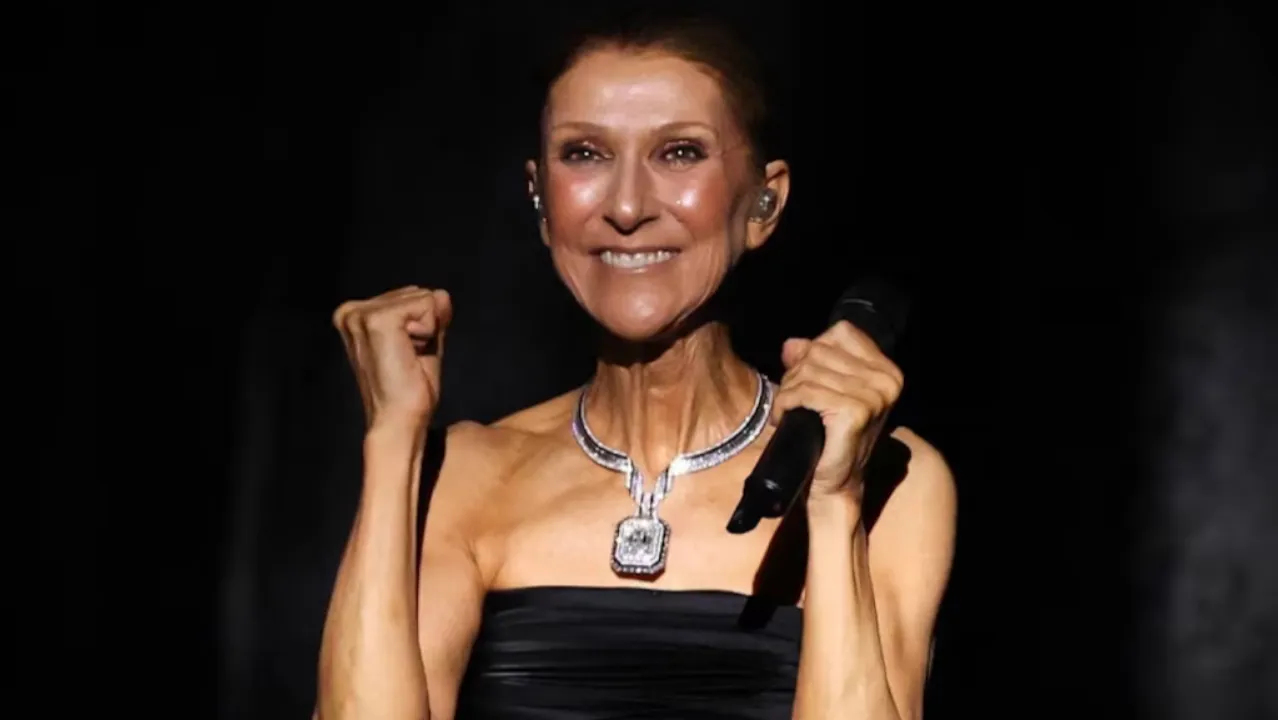
Céline Dion's Paris residency called "Celine Dion Paris 2026" is not just a concert series. It's a statement.
It says: I am not defined by my diagnosis. It says: my body can fail and my spirit won't. It says: six years of silence, a disease that nearly killed me, a voice that has changed, muscles that betray me without warning and I'm still here. In a Dior gown. In front of 30,000 people. Singing "All By Myself" for the encore.
The song choice wasn't random. "All By Myself" has been the benchmark for her voice since 1996. It's the song people use to measure whether Céline Dion is still Céline Dion. By saving it for the encore by daring to end the night with the hardest song in her catalogue she was telling the audience and herself: I'm not hiding from it. I'm not avoiding the hard notes. I'm taking them. In front of all of you.
She told the crowd: "I have learned to live with the fragility and made it my reason to keep going."
Fragility as fuel. Vulnerability as power. A body that breaks and a spirit that refuses to.
A final thought.
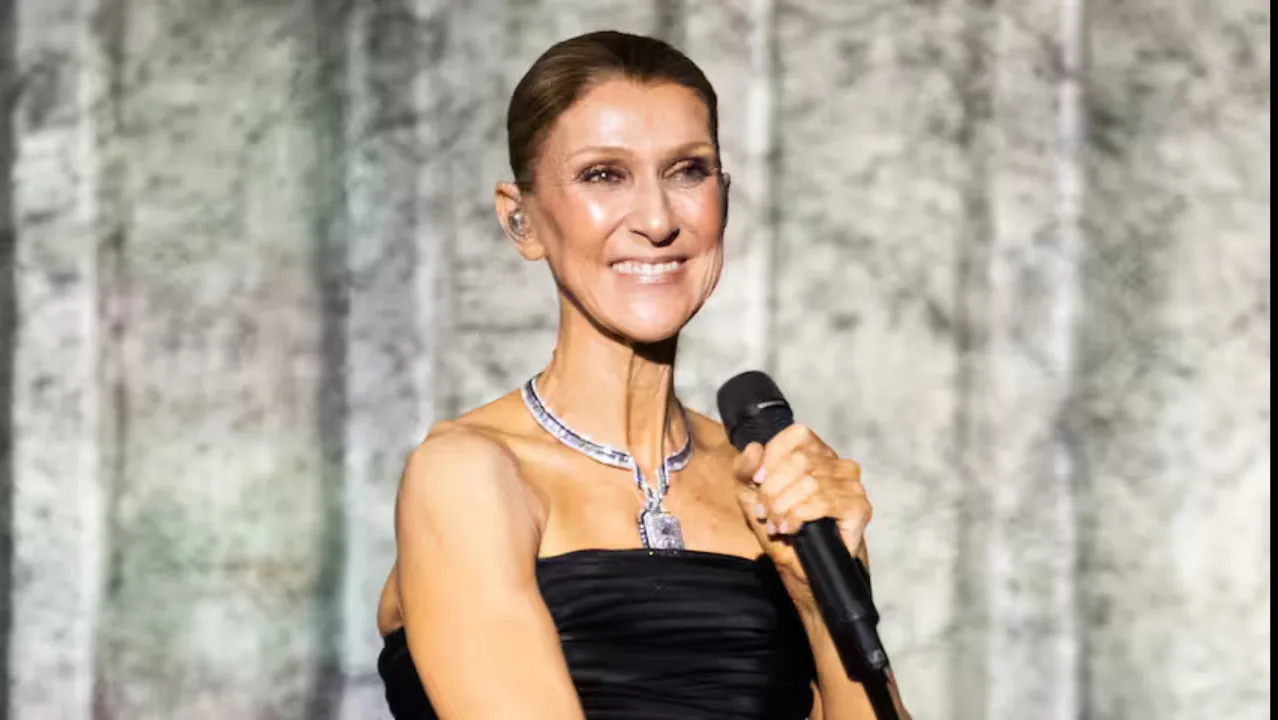
I keep thinking about that moment the glance she threw at her musical director after the high F. That fraction of a second where the most decorated vocalist of her generation looked at someone she trusted and silently asked: was that real?
It was real, Céline. It was so real that 30,000 people in Paris are still talking about it. It was so real that people on the other side of the world watched clips on their phones and cried. It was so real that for a moment, in a world that feels like it's falling apart, everyone agreed on one thing: this woman is extraordinary.
She didn't hit the note perfectly. She hit it bravely. And that's worth more.
Welcome back, Céline. We missed you. 🤍
Christ-Yvan 🛶