Dolly Parton Didn't Just Make Music. She Made the World Better.
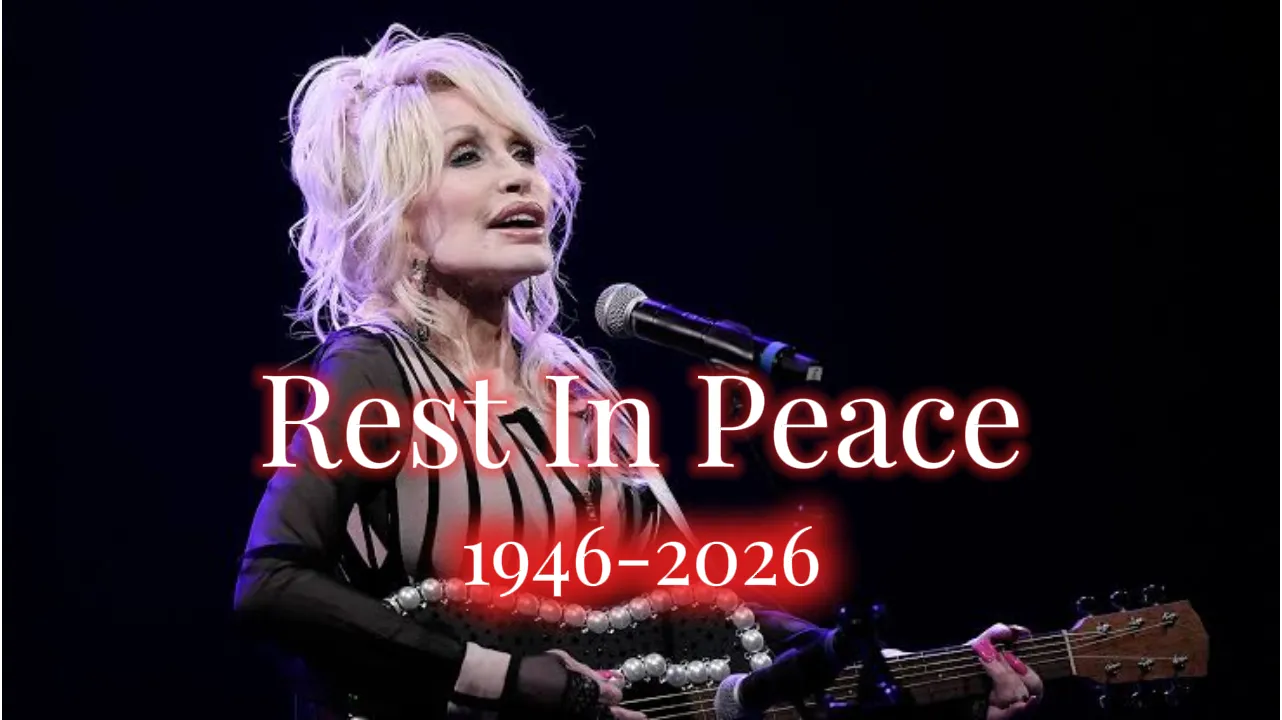
She died today. August 25, 2026. Peacefully, in Nashville, at 80 years old.
And within minutes, the entire world all of it, every corner of it stopped.
That alone tells you something. Because in 2026, there are very few people left on this planet capable of making the whole world stop at the same time. Politicians don't do it. Athletes rarely do it. Even the biggest musicians only stop their part of the world.
Dolly Parton stopped all of it.
And the reason isn't just "Jolene." It isn't just the rhinestone suits or the blonde wigs or the voice that could crack open the sky. The reason is something rarer and harder to explain something that had less to do with her talent and everything to do with who she actually was.
She was the last person everyone agreed on.
Think about America right now. Think about how divided it is. Think about how a family can barely get through Thanksgiving dinner without someone leaving the table. Think about how the things that used to unite people sports, music, television have all become battlegrounds.
Dolly Parton was distressed by America's polarization. She had Democrats and Republicans among both her friends and her fans, and she refused to treat disagreement as permission to stop caring about someone.
Bernie Sanders mourned her today. So did Donald Trump, who ordered flags lowered in her honor. Two men who agree on almost nothing agreed on Dolly Parton.
That's not an accident. That's not luck. That's the result of a lifetime of deliberate, consistent, radical kindness the kind that doesn't ask who you voted for before deciding whether you deserve to be loved.
In the most polarized country in the modern world, Dolly Parton was the last thing everyone shared. And today we lost her.
The woman behind the wigs.
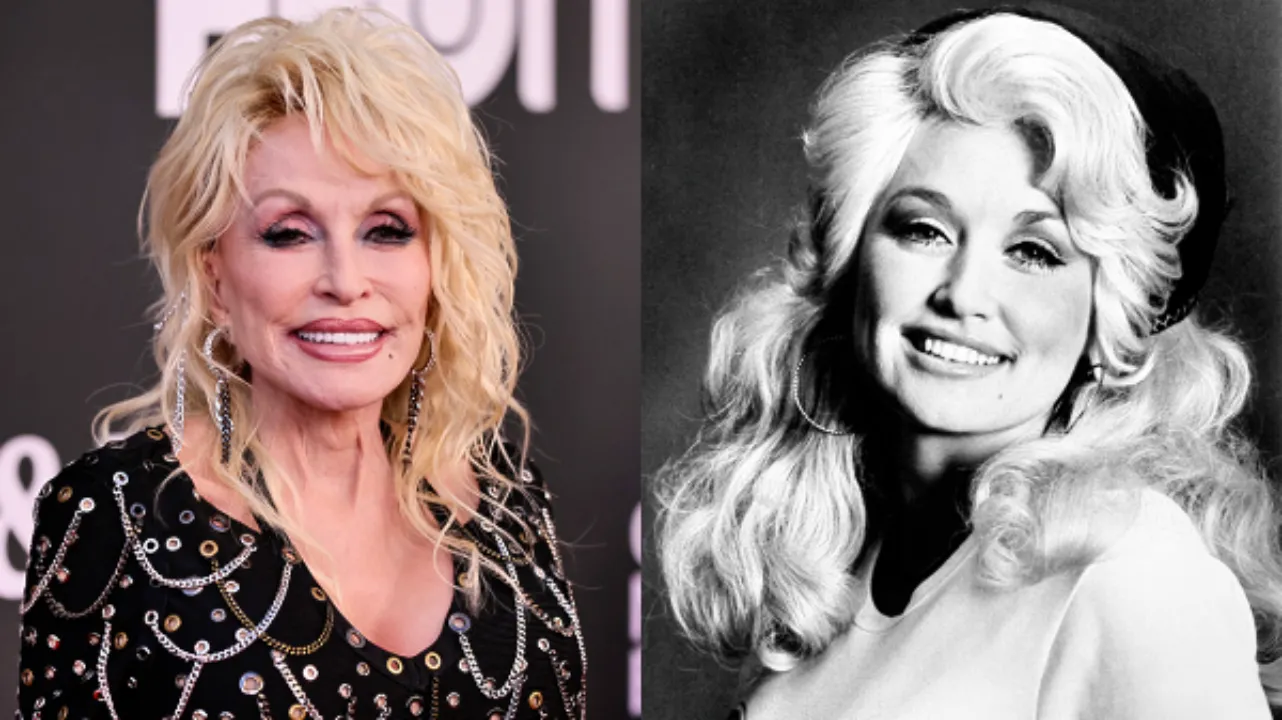
There's a version of Dolly Parton the world constructed the sparkly country queen with the big hair and the self-deprecating one-liners about her appearance. She leaned into it. She was funny about it. She owned it completely.
But underneath the performance was a woman of extraordinary depth.
Born in a one-room cabin on the banks of the Little Pigeon River near Sevierville, Tennessee — the fourth of twelve children her father could not read or write. She grew up with almost nothing. And she never forgot it.
Everything she built the music, the money, the empire she turned back outward. Not because it looked good. Because that's who she was.
She helped save lives during a pandemic.
When the pandemic hit in 2020, Dolly Parton donated $1 million to coronavirus research at Vanderbilt University, helping fund what became the Moderna COVID-19 vaccine. The doctor who led the research said her funding made the work go ten times faster than it would have without her.
She didn't announce it with a press conference. She didn't make it about her image. She just did it because her friend told her something bad was coming and she wanted to help.
When she got vaccinated the following year, she sang "Vaccine, vaccine, vaccine, vaccine" to the tune of "Jolene" in the doctor's office. And got the whole world laughing while also getting the whole world vaccinated.
That's Dolly Parton. The woman who could turn a public health crisis into a song and make you feel better about both at the same time.
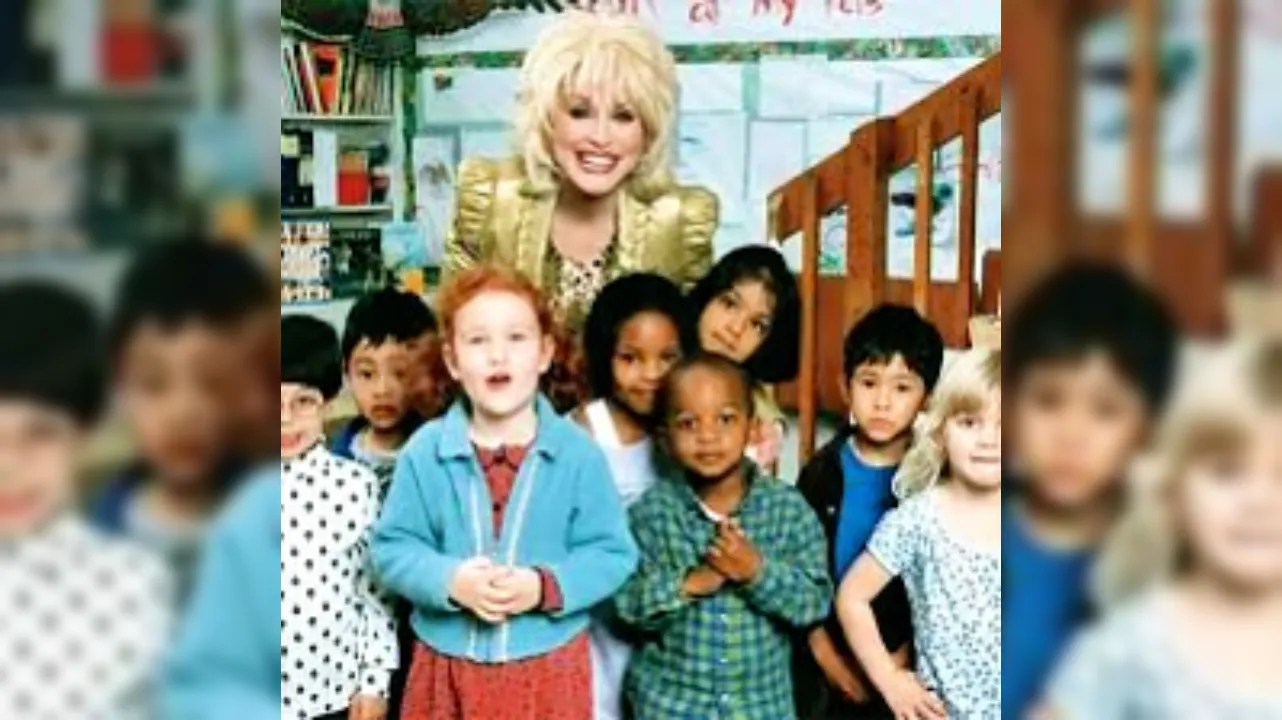
She gave millions of children their first book.
In 1995, inspired by her father's inability to read, she started the Imagination Library a program that mails free books to children every month from birth until they start school. By the time she died, the program had distributed more than 178 million free books to children across the United States, United Kingdom, and Australia.
Her father never learned to read. His daughter made sure millions of children would never face that same limitation.
That's not charity as a tax strategy. That's a woman who remembered where she came from and decided to use everything she had to make sure others didn't have to start from the same place.
She defended people the industry told her not to defend.
Dolly Parton was a public supporter of the LGBTQ community who advocated for marriage equality and spoke up in defense of transgender people. She did this as a devout Christian woman with an overwhelmingly conservative fanbase. She did it anyway.
Her reasoning was simple and devastating in its clarity. "If you're the fine Christian that you think you are," she once said, "why are you judging people? That's God's job."
She never made it complicated. She never made it political. She just kept saying: these are people, and people deserve to be treated with dignity. And then she kept singing, kept smiling, kept showing up for everyone including the people who disagreed with her on everything else.
When Tennessee tried to put her on a pedestal, she said no.
After her philanthropic work made national headlines, Tennessee lawmakers proposed erecting a statue of Dolly Parton at the state capitol. She declined.
"Given all that is going on in the world, I don't think putting me on a pedestal is appropriate at this time," she said. "I hope, though, that somewhere down the road several years from now or perhaps after I'm gone, if you still feel I deserve it, then I'm certain I will stand proud."
She's gone now. Build the statue.
She followed her husband.
Carl Thomas Dean, her husband of nearly six decades, died in March 2025 at age 82. They had kept their relationship almost entirely out of the spotlight a remarkable feat for one of the most famous women in the world.
After he died, she was honest about what it did to her. She said grief had worn her down. That she hadn't been paying attention to her own health while caring for him. That she was dealing with things she'd been ignoring.
She kept going anyway. She showed up for the Dollywood season. She worked on her Broadway musical. She recorded. She gave interviews. She kept being Dolly.
And then, a year and a half after he left, she followed him.
Her nephew Bryan Seaver said in his statement: "Dolly has lived the light and is in the arms of Jesus, surely met by Carl, her parents, and countless others who have watched her and longed for her to meet them in the heavens."
Sixty years of marriage. And in the end, she didn't stay long without him.
What I want to remember.
I didn't grow up with Dolly Parton the way Americans did. Country music wasn't the soundtrack of my childhood. I came to her later through the stories, through the philanthropy, through watching how she moved through the world.
And what struck me, every time, was how she managed to be simultaneously the biggest star in the room and the most genuinely humble person in it. How she could wear a rhinestone suit and talk about her upbringing in a one-room cabin and have both things be completely true at the same time. How she could be funny and deep. Flashy and sincere. Famous and kind.
She once said: "Find out who you are and do it on purpose."
She did it on purpose. For eighty years. And she made it look like the most natural thing in the world.
The family's official statement read: "A rhinestone life that shone bright enough for the world to see. Dolly will forever stand as an inspiration not only through her timeless music and prolific songwriting, but also her wit, warmth, and kindness that made us all feel like family."