The modern intersection of elite social media culture and seasonal celebrations often produces unexpected friction when public figures misjudge the boundaries of satire. A recent wave of online outrage demonstrated how quickly tone-deaf choices can overshadow celebratory traditions. Public figures frequently discover that translating provocative concepts into digital content invites swift and unsparing scrutiny across various platforms.
The Anatomy of a Controversial Social Media Post
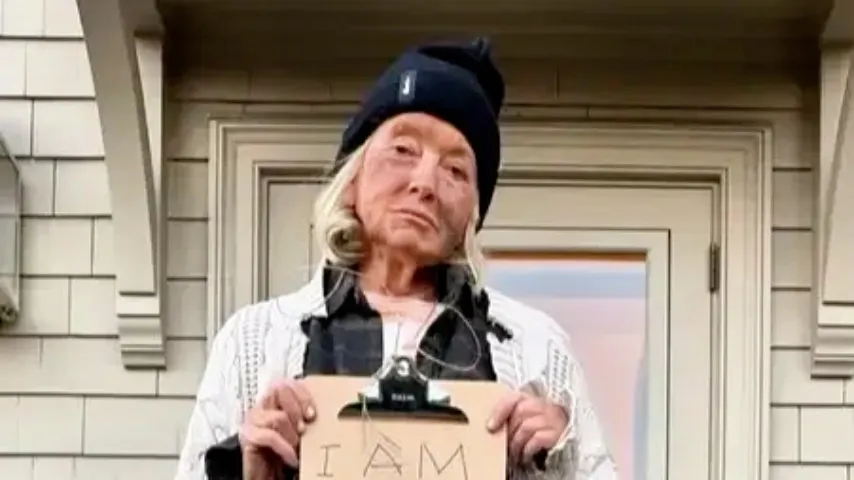
The discussion intensified after the lifestyle entrepreneur shared an image depicting economic hardship as part of a seasonal promotion. The outfit featured distressed garments, simulated dirt on the face, and a handwritten sign carrying a plea for food. Within the same scrollable asset, the post featured a retail promotion for candles available through a major shopping network. That combination of poverty-themed imagery and commercial promotion quickly drew intense criticism across multiple digital networks.
Social media users swiftly condemned the presentation as tone-deaf and disconnected from real-world economic struggles. Commenters noted that utilizing systemic challenges as a temporary disguise trivializes the hardships faced by millions of individuals experiencing housing instability. The inclusion of a retail call-to-action within the same post further amplified the negative response, merging serious social issues with casual consumerism and sparking widespread disappointment among longtime followers.
Observers on platforms like X labeled the presentation as incredibly tone-deaf, disappointing, and childish. Critics emphasized the stark contrast between wearing a temporary costume and experiencing permanent economic hardship. As screenshots spread beyond the initial audience, the merging of a retail pitch with poverty-themed imagery became a central focal point for public anger.
Navigating Public Apologies and Shifting Explanations
Initial attempts to address the growing backlash relied heavily on framing the outfit as an awareness-raising exercise. The creator expressed distress that the look had offended audiences, emphasizing long-standing support for charitable causes addressing housing crises. However, that initial statement failed to quell the criticism, with observers pointing out that utilizing vulnerable demographics for theatrical effect does not align with genuine advocacy.
A subsequent, more direct acknowledgment followed as public pressure mounted across digital channels. The revised statement conceded that wearing the outfit was insensitive and inappropriate given widespread economic suffering. Observers and advocacy leaders noted that accountability requires acknowledging the impact of such choices rather than retreating behind initial intentions.
In the comments underneath related social media posts, the creator doubled down on remarks before offering a clearer apology, asking whether followers truly supported charitable causes. Public figures and advocacy voices responded by noting that Halloween has historically been a time for caricatures like monsters and villains rather than marginalized human demographics. This dialogue underscored the difficulty of defending choices that rely on real-world suffering for visual impact.
Broader Industry Reactions and Structural Blinders
Advocacy groups joined the public conversation to highlight the deeper disconnect demonstrated by such celebrity choices. Leadership from organizations supporting unhoused populations noted that individuals with immense wealth and influence frequently fail to recognize the humanity of those experiencing poverty. Pointing to high numbers of affected children in major urban centers, critics emphasized that public figures should foster empathy rather than rely on outdated caricatures.
Dave Giffen, executive director of the Coalition for the Homeless, strongly criticized the portrayal for relying on ugly stereotypes. Giffen argued that people in influential positions should foster greater understanding and empathy rather than mocking those dealing with housing instability. The critique highlighted a broader institutional failure among wealthy public figures to understand the daily realities faced by millions of vulnerable families.
Other public figures faced similar scrutiny over controversial seasonal choices, illustrating a recurring pattern of misjudged satire. Content creator McCall DaPron faced significant backlash for family costumes recreating the assassination of President John F. Kennedy, featuring outfits modeled after the historic tragedy. This followed previous high-profile controversies, such as actor Julia Fox wearing a bloodstained recreation of Jackie Kennedy's suit, demonstrating how frequently boundaries are pushed into poor taste.
The Lasting Impact of Digital Footprints
Although the original posts were promptly removed from public feeds, digital content rarely vanishes entirely once shared. Screenshots captured by observers and news organizations continued circulating widely, ensuring that the conversation persisted long after the digital removal. This phenomenon underscores the reality that quick retractions cannot always undo the initial impact of controversial material.
The episode illustrates a structural risk in celebrity social commerce: personal expression and product promotion cannot always be separated once controversy arrives. Personal expression, entertainment, and retail promotions absorb criticism collectively when one element sparks public outrage. As a result, deleting a post stops direct engagement on a single platform, but the wider digital ecosystem preserves the record.
Reflecting on Modern Celebrity Culture
As public figures continue to blend personal expression with commercial branding on digital platforms, the risks associated with misjudged content remain high. The episode serves as a reminder that online audiences expect greater mindfulness from those with significant cultural reach. Readers and community members are encouraged to consider where the line between creative expression and insensitivity truly lies in modern media culture and how public figures can better navigate these expectations moving forward.
Sources: newsweek.com, fox32chicago.com, gadgetreview.com, nbcnewyork.com
— christyvan 🛶