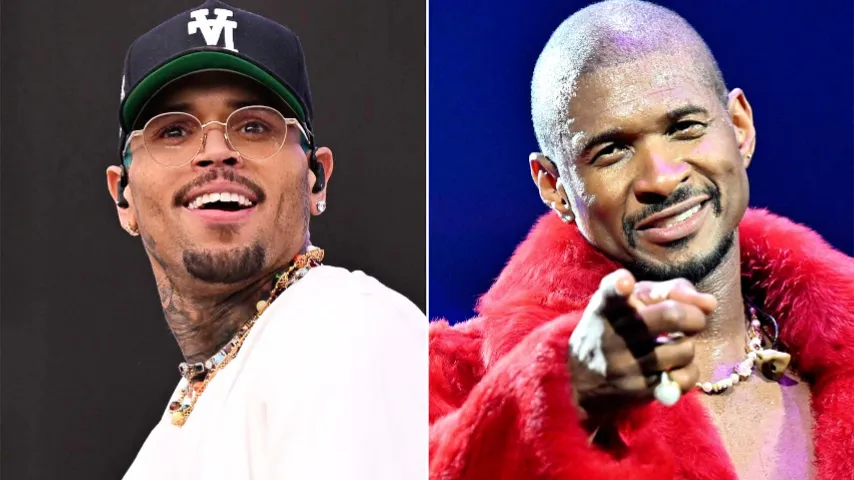
The joint Usher and Chris Brown tour was expected to be a historic celebration of modern R&B, bringing together two of the genre's biggest headliners. However, what began as a highly anticipated stadium run has turned into a cautionary tale about production delays, high ticket prices, and unexpected scheduling disruptions. Following a tumultuous night in Georgia, mounting fan frustration and high-profile cancellations have left concertgoers questioning the future of major live music events.
Backstage Tension and Disappointment at the Usher Atlanta Show
The long-awaited R&B Tour was meant to highlight decades of chart-topping success for both performers, especially during the opening leg in Usher's hometown. Yet the November 5 Usher Atlanta show at Mercedes-Benz Stadium quickly turned contentious for attendees. The performance started nearly two hours late after an alleged backstage argument between the two stars over whether to delay the start time for fans stuck in traffic.
Beyond the delayed start, audience members were disappointed to see that the two headliners did not perform on stage together as they had on earlier tour dates. Reporting from The Atlanta Journal-Constitution described the evening as a very late, underwhelming concert that lacked opening acts to break up the long wait. Reviewer DeAsia Paige noted that the contentious atmosphere distracted from the singers' immense individual talents, leaving fans dissatisfied after paying top dollar for stadium seats.
Schedule Adjustments and the Usher Tour Cancelled Dates
Following the troubled night in Georgia, updates regarding the Usher Chris Brown tour dates quickly took a negative turn for fans across North America. Shows scheduled for November 16 at Los Angeles' SoFi Stadium and December 6 at Hard Rock Stadium in Miami were officially called off. These latest cancellations followed earlier pulled dates in Cincinnati, Baltimore, South Carolina, and Indianapolis, leaving many buyers actively seeking a Chris Brown concert refund or official clarification from ticket outlets.
Promoters initially attributed earlier Midwestern schedule changes to crew health and wellness, issuing a statement explaining that adjustments were required to sustain a tour of such massive scale safely. However, media outlets soon pointed to an ongoing backstage dispute. TMZ reported that the relationship between the singers remained icy following their argument in Atlanta. While Chris Brown briefly dismissed the feud rumors on Instagram by writing that the internet was capping, Usher has refrained from commenting publicly.
Ticket Sales and Economic Factors for Fans
While backstage drama has dominated online headlines, some industry observers suggest that underlying economic realities may be driving the sudden schedule changes. Speaking on The Ebro Laura Rosenberg Show, commentator Ebro Darden raised the theory that public reports of a feud might serve as a marketing hustle to divert attention from soft ticket demand. Darden pointed out that rising credit card debt and holiday budgeting leave many consumers hesitant to purchase expensive stadium passes.
Co-host Peter Rosenberg expanded on this analysis, noting that the canceled dates at major venues in Los Angeles and Miami were add-on performances appended to an already packed itinerary. When primary demand peaked, selling out additional stadium dates proved difficult. This financial strain highlights a growing disconnect between costly live event productions and the economic realities of everyday music listeners who demand clear value when spending their money.
Rethinking Joint Tour Management and Production Quality
The ambitious joint venture had been in discussion for nearly a decade, supported by Usher's manager Ron Laffitte and industry teams looking to capitalize on both artists' career peaks. Usher was coming off a massive Las Vegas residency and Super Bowl halftime appearance, while Brown was celebrating another Grammy win and his first stadium tour. However, coordinating a multi-city stadium trek requires exceptional operational precision, rigorous planning, and absolute unity between headlining teams.
When high ticket prices are met with multi-hour delays, missing collaborative sets, and abrupt schedule adjustments, fan goodwill rapidly evaporates. Live music promoters and artist management teams are now facing pressure to re-evaluate how joint headlining tours are organized and priced. Ensuring realistic scheduling, transparent communication, and reliable production standards is becoming essential for preserving audience trust and preventing costly operational breakdowns on future stadium runs.
The Road Ahead for High-Stakes Live Music Operations
As the remaining dates approach the planned finale in Tampa, Florida on December 12, the turbulence surrounding this Usher Chris Brown tour serves as a stark reminder for the entire live entertainment industry. Premium ticket prices come with elevated fan expectations, leaving little room for operational missteps, late starts, or unfulfilled promises. Whether the recent cancellations stem from genuine interpersonal tension or underperforming ticket sales, live music acts must prioritize fan experience and realistic production planning. Moving forward, concertgoers will continue to demand reliability and value, making operational transparency the ultimate benchmark for tour success.
Sources: yahoo.com, fox26houston.com, ajc.com, hotnewhiphop.com
christyvan 🛶