Christyvan
Opinion

Children of Blood and Bone: A Beautiful Betrayal?

Children of Blood and Bone: A Beautiful Betrayal?

The trailer dropped today.

And it looks stunning. The colors, the scale, the costumes, the magic visually, Children of Blood and Bone has the potential to be something extraordinary.

But behind every beautiful frame, there's a story that nobody in Hollywood wants you to pay attention to. And I think it's time we talk about it.


The author won't even watch her own movie.
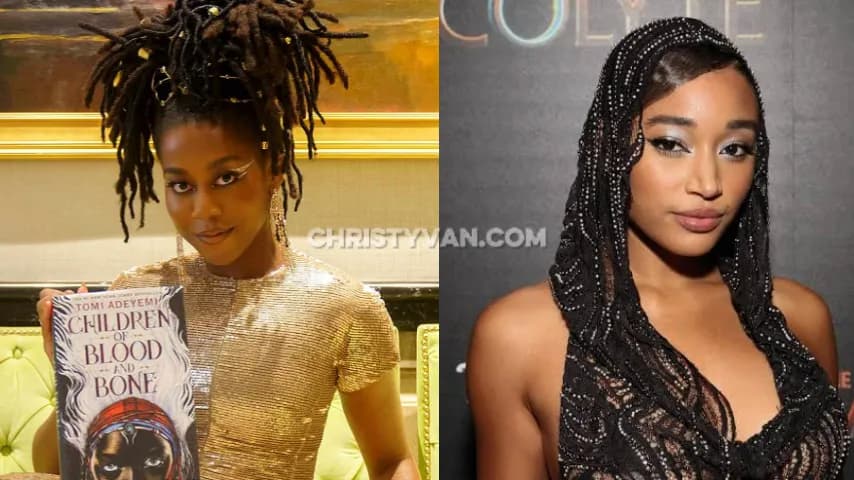
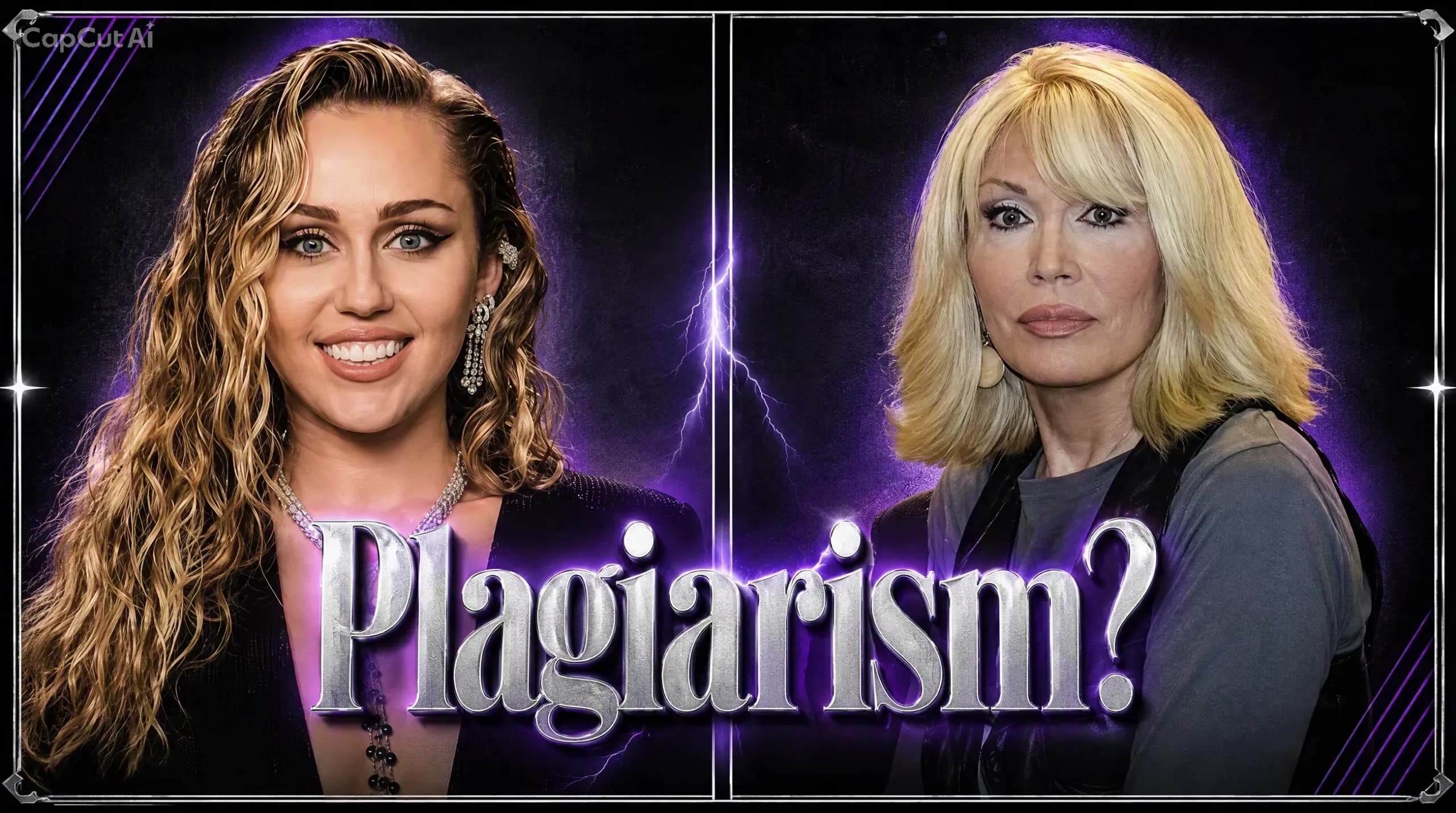
Tomi Adeyemi vs Amandla Stenberg


Let that sink in for a moment.

Tomi Adeyemi the Nigerian-American woman who wrote this book, who spent 14 years fighting to get it made, who co-wrote the screenplay, who serves as executive producer has publicly said she will not watch the film. She will not promote it. She will not support it.

She didn't give a long explanation. Just a simple statement on TikTok: "There is a reason I will not post anything about the adaptation of my work. That's all."

And then she blocked Amandla Stenberg one of the film's lead actresses.

When the creator of a story walks away from its own adaptation, something went deeply wrong. We may never know the full details, but what we do know is enough to raise real questions.


The colorism nobody wants to address.
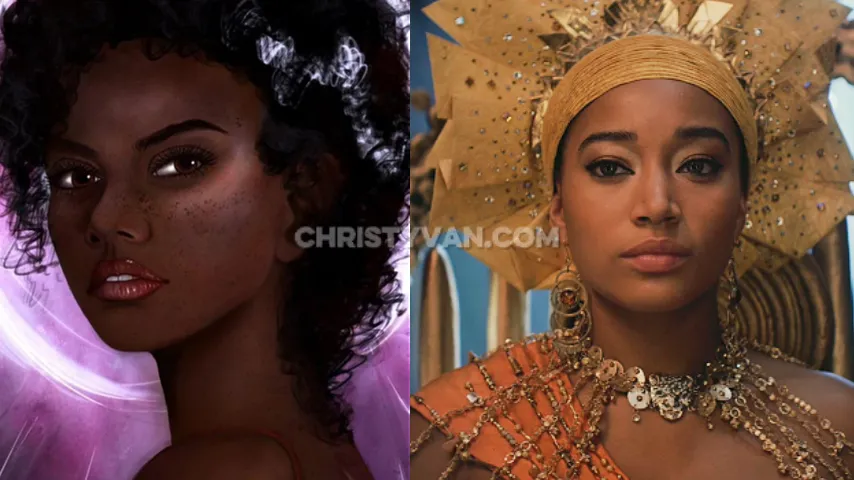
the skin tone difference between princess amari in the book and in the movie adaptation. In the book the skin is darker and in the movie she is light skin


This is the part that hurts the most.

In Adeyemi's novel, Princess Amari has a "dark brown copper complexion." That's not a background detail it's central to her entire arc. Her own mother, Queen Nehanda, pressures her to lighten her skin. She's told she's "far too dark." The book explicitly deals with colorism within the Black community the idea that even among Black people, darker skin is punished and lighter skin is rewarded.

So who did Hollywood cast as Amari?

Amandla Stenberg. A biracial actress with light skin.

The same industry that tells stories about colorism... is practicing it in the casting room.
And this isn't a one-time mistake. It's a pattern. Hollywood has a long, documented history of casting lighter-skinned or biracial actresses in roles that were written for dark-skinned Black women. It keeps happening because the industry still operates on the assumption that lighter skin is more marketable, more palatable, more "universal."

Meanwhile, Thuso Mbedu a dark-skinned South African actress was cast as the lead, Zélie. So the studio understood the importance of representation for the protagonist... but not for the character whose entire story is literally about colorism?

That contradiction is deafening.


The "African" movie that barely feels African.

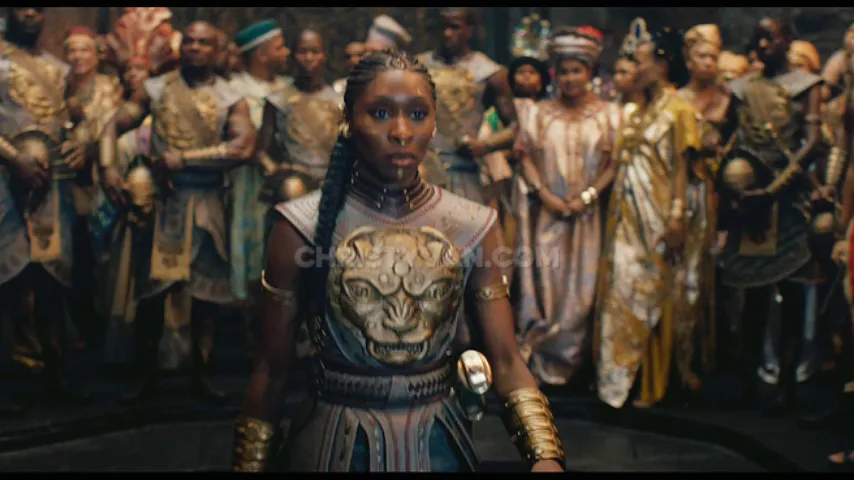
Children OF Blood and Bone Cynthia Erivo looking cheap in her costume


Adeyemi's novel is rooted in Yoruba culture. The mythology, the language, the spiritual system all of it comes from a specific, real, living tradition. The author herself said she was "especially looking for Nigerians" during casting, because this story belongs to that culture.

So what did Hollywood do? It assembled a cast that's largely African-American and British-African, passed over prominent Nollywood actors with decades of experience, and wrapped everyone in costumes that let's be honest look more like a fantasy theme park than anything rooted in actual West African aesthetic.

Nigerian commentators have pointed this out repeatedly. The accents don't sound right. The cultural details feel surface-level. The film was shot across Africa, which is visually powerful but filming on the continent doesn't automatically mean you've captured its essence.

It feels like Hollywood looked at Yoruba culture and said: "We'll take the aesthetics. We'll leave the authenticity."


The Black Panther copy-paste syndrome.

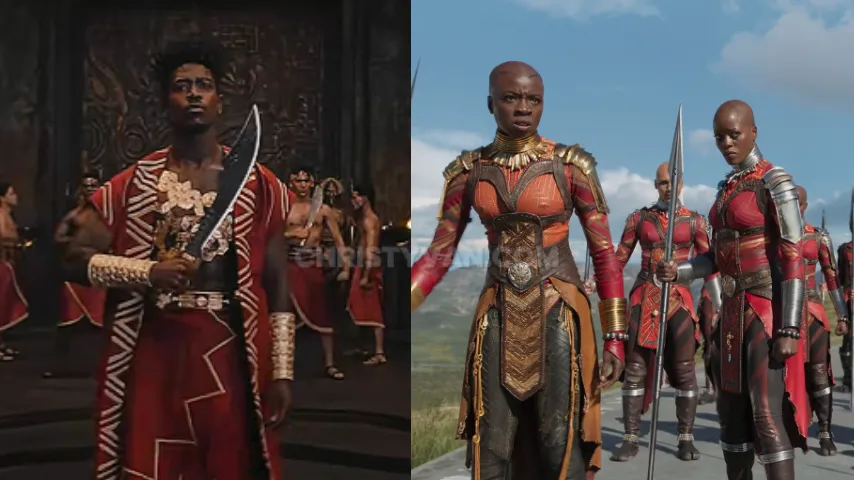
similitudes with black panther and children of blood


Let's address the elephant in the room.

Viola Davis. Cynthia Erivo. Chiwetel Ejiofor. Idris Elba. Lashana Lynch. Damson Idris. Thuso Mbedu.

This is an incredible cast. Every single one of them is talented beyond question. But if this lineup feels familiar, that's because it is. It's essentially the same pool of actors that Hollywood rotates through every time they need a "prestigious Black cast" for a fantasy or period piece.

The Woman King. Black Panther. The Odyssey. And now Children of Blood and Bone.

At what point do we ask: is Hollywood actually investing in Black stories, or is it just recycling the same formula same actors, same aesthetic, same Oscar-bait packaging and calling it representation?

Real investment would mean discovering new talent. Real investment would mean letting Nigerian filmmakers who understand Yoruba culture lead the adaptation. Real investment would mean trusting the source material enough to honor its details including the skin tones of its characters.


The costumes. Let's talk about the costumes.

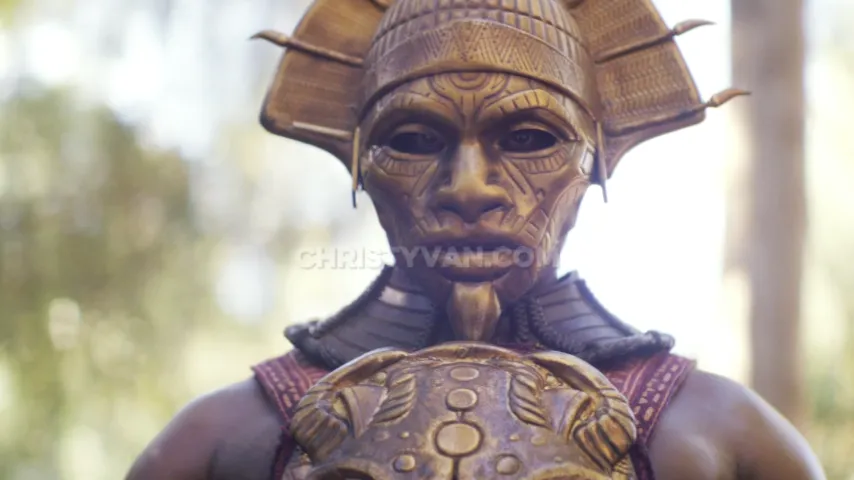
The costume of a character in children of blood and it is supposed to be gold but il looks cheap like plastic


I'll say what a lot of people are thinking but not saying.

Some of those costumes look like they belong at a carnival, not in a grounded fantasy epic. The armor looks plastic. The face paint looks painted on for the camera rather than worn as culture. The fabrics look like they were designed by someone who Googled "African warrior costume" and clicked the first result.

Gina Prince-Bythewood said she wanted a "grounded fantasy." But grounded doesn't mean just filming in Africa. It means the details every bead, every fabric, every pattern carry the weight of the culture they're supposed to represent.

Some of it looks breathtaking. And some of it looks like cosplay.


And yet.


I want to be clear about something.

I'm not here to tear this movie down before it's even released. The trailer is genuinely stunning in places. The scale is massive. The performances look powerful. And the simple fact that a story rooted in Yoruba mythology is getting a $250 million Hollywood budget and an IMAX release is in itself significant.

We've waited a long time for Black fantasy at this scale. And Gina Prince-Bythewood, the woman who directed The Woman King and Love & Basketball, is not someone who takes these stories lightly.

But celebrating the milestone doesn't mean we can't question the execution. Being excited doesn't mean being silent. And wanting this movie to succeed doesn't mean accepting every choice that was made along the way.

Tomi Adeyemi spent 14 years fighting for this story. She co-wrote the script. She was in the room. And she still walked away.

That alone should tell us that something got lost between the page and the screen. Whether it's the colorism in casting, the cultural authenticity, or something we may never fully know the woman who created Orïsha no longer recognizes what it's become.

I hope I'm wrong. I hope the movie is everything the book deserved to be.

But right now, Children of Blood and Bone feels like a beautiful betrayal.

Christ-Yvan 🛶

Comments

Log in to leave a comment.

Be the first to comment on this article.