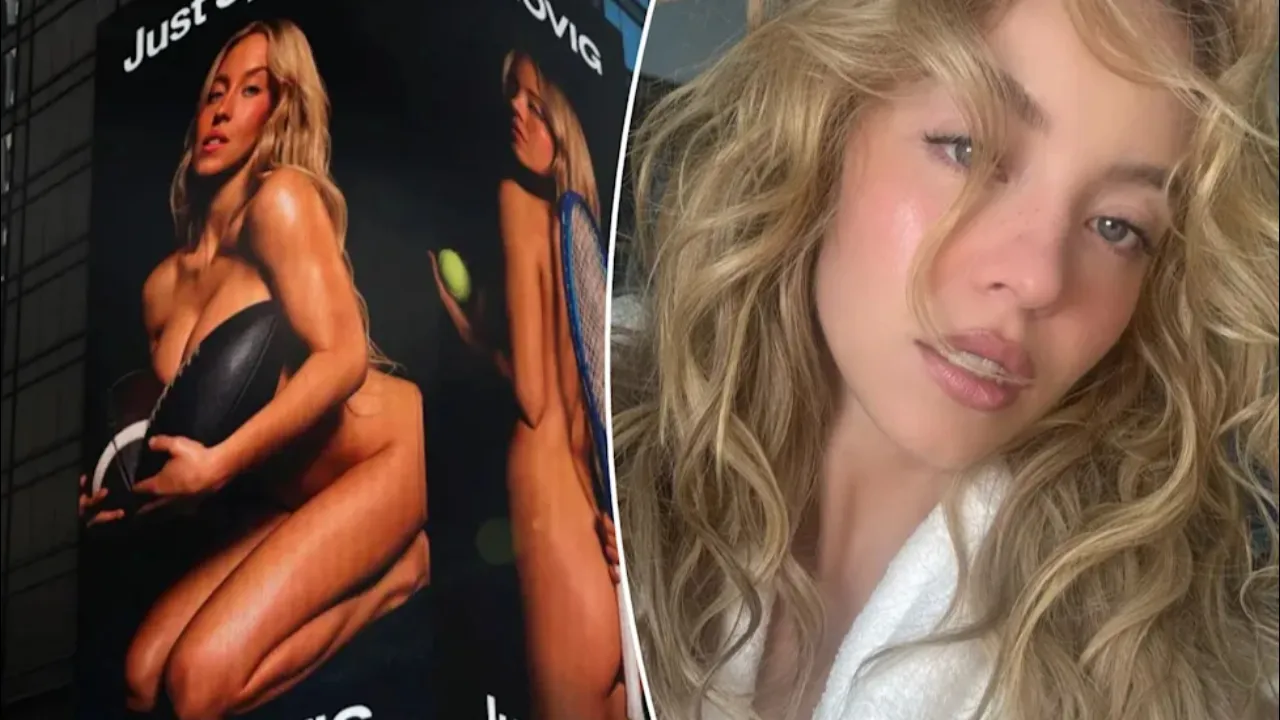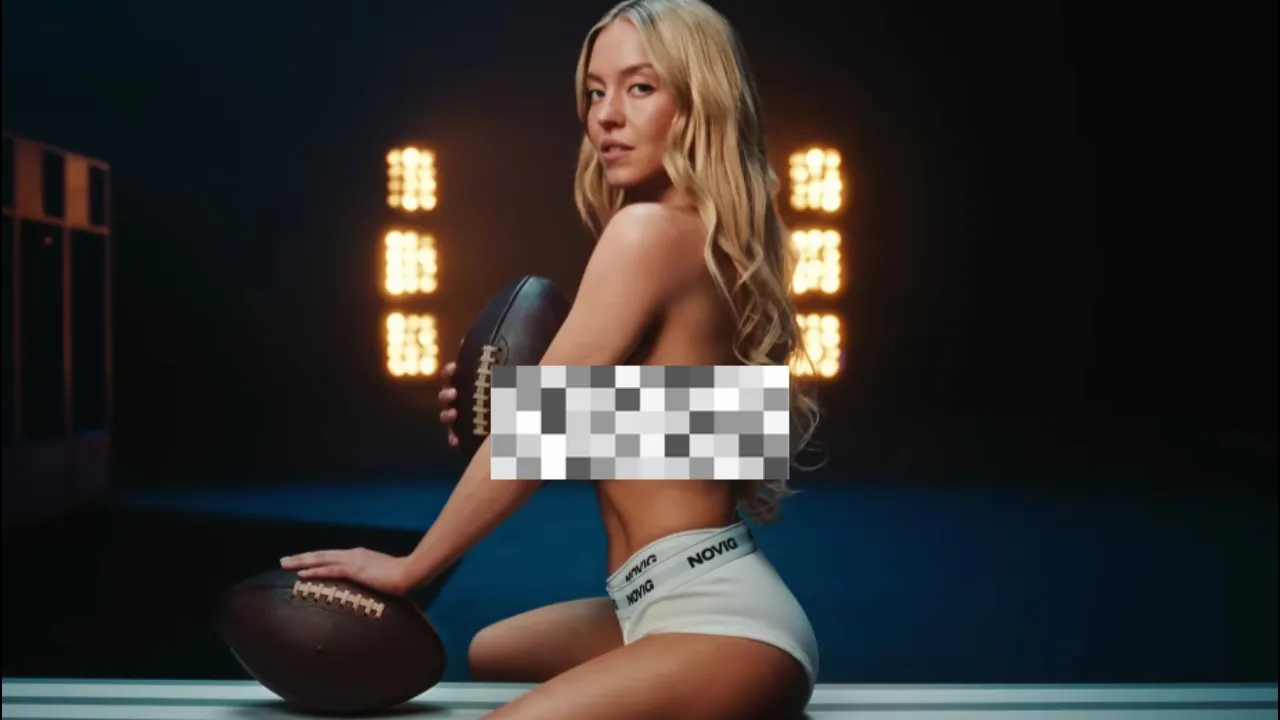
Last week, Sydney Sweeney appeared in an ad for Novig a sports prediction platform almost entirely naked, covering herself with footballs, a tennis racket, and a basketball. The campaign racked up 37 million views on Instagram in four days.
Four-time Olympic gold medalist Ariarne Titmus wrote: "I can't describe how infuriated I feel when I watch this. How do we live in a world where monetizing a woman's body and sexualizing women's sport is still a thing?"
British sprinter Amy Hunt, minutes after finishing fourth in the 200 meters at a championship in Budapest, looked directly into the BBC camera and said: "Sydney Sweeney this is what women in sport look like."
Retired gymnast Gracie Kramer wrote: "I've spent my entire life competing in a sport where female athletes have been oversexualized, reduced to our bodies, and forced to fight to be taken seriously for what we can actually do. This ad feels like a massive step backward."
Sydney Sweeney responded by posting the ESPN Body Issue photos of Serena Williams, Megan Rapinoe, Ronda Rousey posing nude as if to say: athletes do this too.
And then the whole internet started screaming at each other.
I want to say something different.
Let's start with what's actually true.

Sydney Sweeney is a 29-year-old actress who chose to appear nearly nude in an advertisement for a sports betting company. Nobody forced her. She is a producer, a businesswoman, and someone who has spoken publicly about being in control of her image. This was a deliberate choice.
The ad got 37 million views in four days. The controversy got her on CNN, NBC, ESPN, and every entertainment outlet on the planet. Novig, a company most people had never heard of before last week, is now one of the most googled sports platforms in America.
From a pure business perspective it worked. Exactly as planned.
And that's where it gets complicated. Because Sydney Sweeney didn't just sell her body for this ad. She sold it knowingly, strategically, and profitably. She knows exactly what she's doing. She's been doing it for years the American Eagle campaign, the Euphoria scenes, the calculated use of her physicality as a brand asset.
The question isn't whether she had the right to do it. She did. The question is what it means that she chose to. And what it means for the rest of us.